
Spatial Inequality and the Smart City
Abstract: Much attention is given to fairness and equity in the smart city, whether algorithmic bias, surveillance, or socio-economic inclusion. This talk directs attention to an explicitly spatial component of the smart city apparatus: sensor networks, their placement, and the emergence of coverage gaps—or sensor deserts. How are cities and other stakeholders to make decisions about placement and where does coverage of vulnerable groups and places fit in? In this talk, I provide a conceptual overview of the sensor location-spatial inequality dilemma, give a case study example from Newcastle upon Tyne in the UK, introduce a potential solution, and conclude with some thoughts for both researchers and those on the ground working with smart city sensor networks, including local governments, policymakers, and community groups.
Date: April 27th, 12:00 PM ET
Register here to attend the colloquium talk.
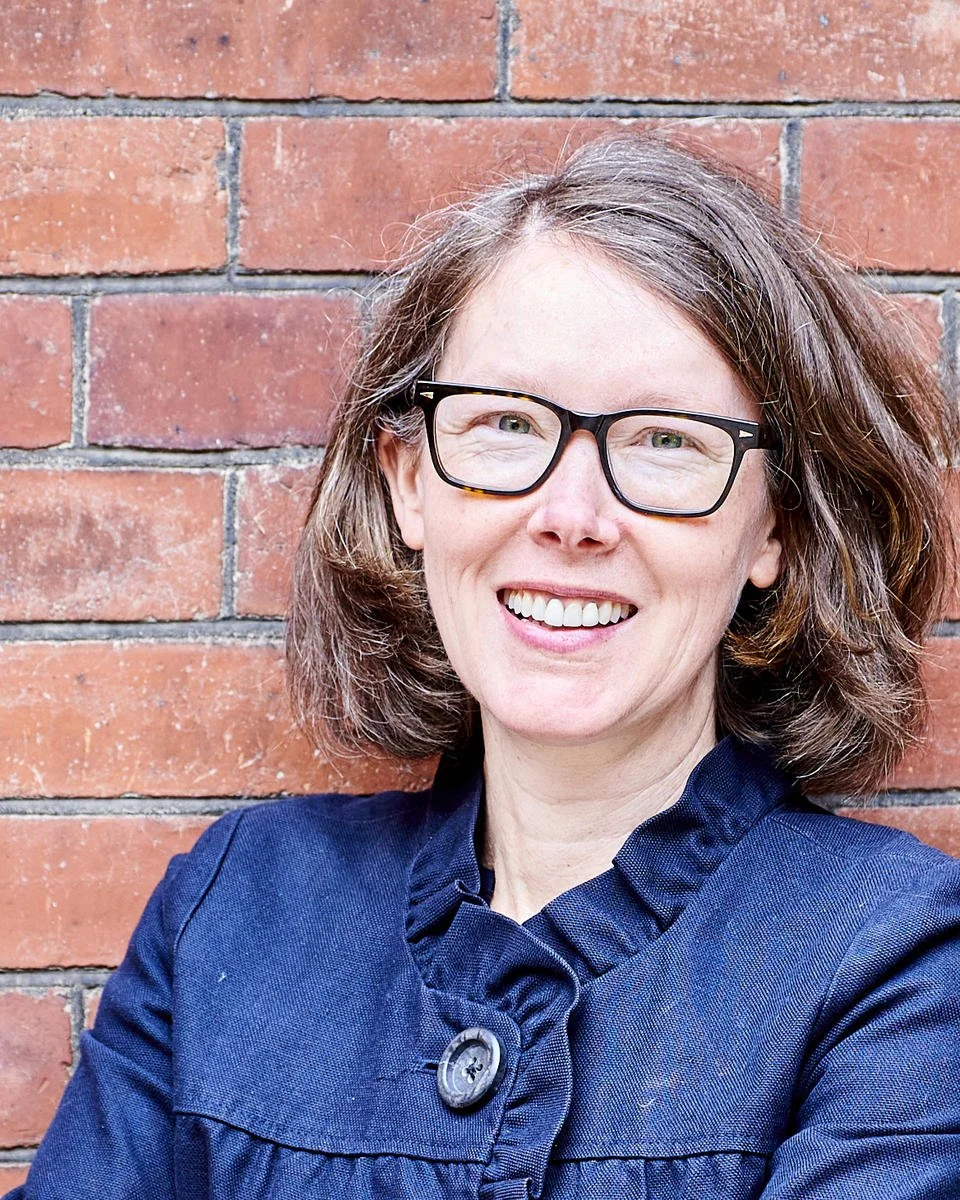
Bio: Rachel likes new data, old data, big data, and little data, especially when it’s spatial and especially when it’s deployed in response to new, old, big, and small societal challenges. She is Executive Director of the Center for Geographic Analysis at Harvard University and Adjunct Professor of the Practice at Brown University. Rachel’s primary research focus is in spatial inequality, especially the interplay between spatial analytics and demographic change. She also highly values disciplinary community: she is cross-disciplinary editor for the Annals of the AAG and past editor of Geographical Analysis. For academic fun, she co-hosts the GlaD (Geography, Life and Data) podcast with Dani Arribas-Bel and Levi Wolf.